

If jaw tension, chronic headaches, or nightly grinding are affecting your sleep and daily comfort, Botox Little Rock may offer the relief you’ve been looking for. At Symmetry Modern Dentistry, we use targeted Botox injections to address the muscle overactivity behind TMD symptoms, bruxism, and tension-type headaches, as part of a broader care approach that includes orthodontics, airway health, and myofunctional therapy.
What Is Botox for TMD and Jaw Pain?
Botox is a neuromodulator that temporarily reduces overactive muscle contractions. When injected into the masseter and temporalis muscles, it lowers the forceful bite pressure that drives clenching and grinding, easing the tension that causes chronic jaw pain and headaches. For patients dealing with temporomandibular disorder (TMD), this can mean real, measurable relief without surgery or lengthy recovery. Treatments take under an hour, and most patients notice reduced muscle tightness within a week.
Who Is a Good Candidate for Botox in Little Rock?
This treatment works well for a range of patients. You may be a strong candidate if you:
- Experience frequent headaches tied to muscle tension or jaw clenching.
- Have been diagnosed with TMD or bruxism.
- Use a bite appliance but still feel muscle soreness or tightness.
- Grind your teeth heavily enough to cause wear.
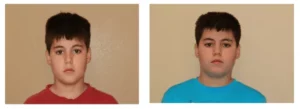
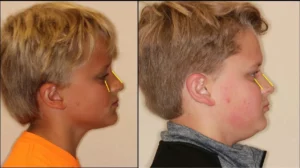
- Are a teenager with significant clenching habits, evaluated after a facial growth assessment
We combine Botox with other therapies when appropriate, including myofunctional therapy and early orthodontic intervention for younger patients whose jaw development may be contributing to the problem.
Botox Little Rock: What to Expect at Your Visit
Your appointment starts with a muscle activity evaluation. We map injection points carefully to target the right muscles while protecting surrounding structures. The injections themselves are quick; most patients describe only mild pinching, and the entire visit typically wraps up in under an hour.
After treatment, you’ll receive clear post-care guidance covering eating, sleep positions, and when to resume any exercises, with guidance from a myofunctional therapist. Side effects are minor for most patients and may include temporary bruising or mild soreness at the injection sites. We schedule a follow-up to measure your response and adjust dosing as needed.
5 Key Benefits of Botox for TMD and Jaw Pain
- Reduces Bite Force: Lowers the destructive grinding pressure that wears teeth and stresses the jaw joint
- Fewer Headaches: Many patients report significantly fewer muscle-origin headaches and less morning pain after treatment
- Complements Other Care: Works alongside TMD and jaw therapies, appliance treatment, and orthodontic planning for more complete relief
- Non-Surgical Relief: Provides meaningful comfort without invasive procedures or downtime
- Better Sleep Comfort: Reducing nighttime muscle activity can improve rest for patients affected by clenching or grinding during sleep
How Botox Fits Into Our Specialty Care Approach
Botox works best as part of a larger treatment picture. At Symmetry Modern Dentistry, Dr. Stephen Deal and our team coordinate care across TMD, airway health, orthodontics, and myofunctional therapy, so your treatment addresses the root causes of your symptoms rather than just the pain itself.
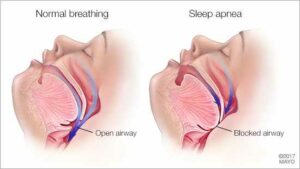
For patients with sleep-disordered breathing, like Obstructive Sleep Apnea (OSA) or Upper Airway Resistance Syndrome (UARS), Botox can reduce the muscle activity that increases jaw tension at night, making it a useful complement to sleep evaluations and airway therapies. We track outcomes over time, adjust dosing based on your response, and incorporate home strategies to protect your jaw and airway between visits.
Botox vs. Dysport in Little Rock
Some patients ask about Dysport in Little Rock as an alternative. Dysport is also a neuromodulator used for similar purposes, but its spread characteristics differ slightly from those of Botox, which can make it a better fit for certain patients. We review both options during your consultation and choose the product that best matches your anatomy and goals. You can find answers to other common questions on our FAQ page.
Frequently Asked Questions
How long do results last?
Results typically last three to four months. We monitor outcomes and offer maintenance visits that fit your treatment response and schedule.
Is Botox safe for TMD and muscle-related sleep issues?
When administered by clinicians trained in facial musculature and TMD, Botox has a strong safety record. We screen for nerve or muscle conditions and review your medications before any treatment.
Will injections affect my bite or chewing?
The goal is to reduce excessive force, not normal function. You may notice softer clenching, but chewing for everyday eating remains fully functional.
How does Botox work alongside orthodontic or sleep care?
We integrate Botox into a broader plan that may include appliances, orthodontic guidance, and sleep evaluations. Coordinated care between our specialists helps ensure balanced, lasting results.
Get Jaw Pain Relief at Symmetry Modern Dentistry
Chronic jaw tension and grinding don’t have to be the background noise of your life. Reach out to our team at Symmetry Modern Dentistry to talk through whether Botox in Little Rock is the right fit for your symptoms, and find us in Little Rock when you’re ready to come in. You can also meet the clinicians who specialize in TMD, airway health, and facial growth before your first visit.